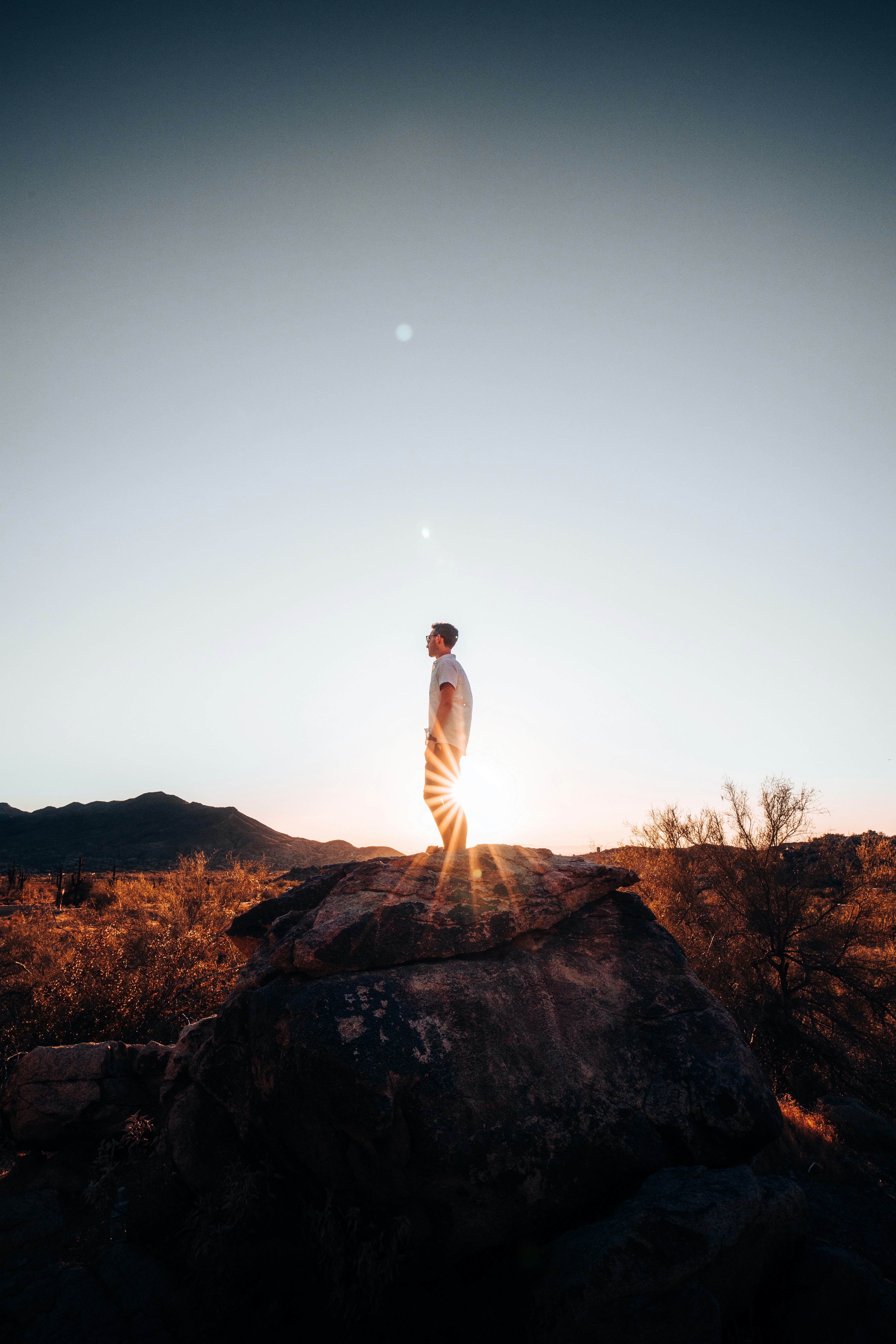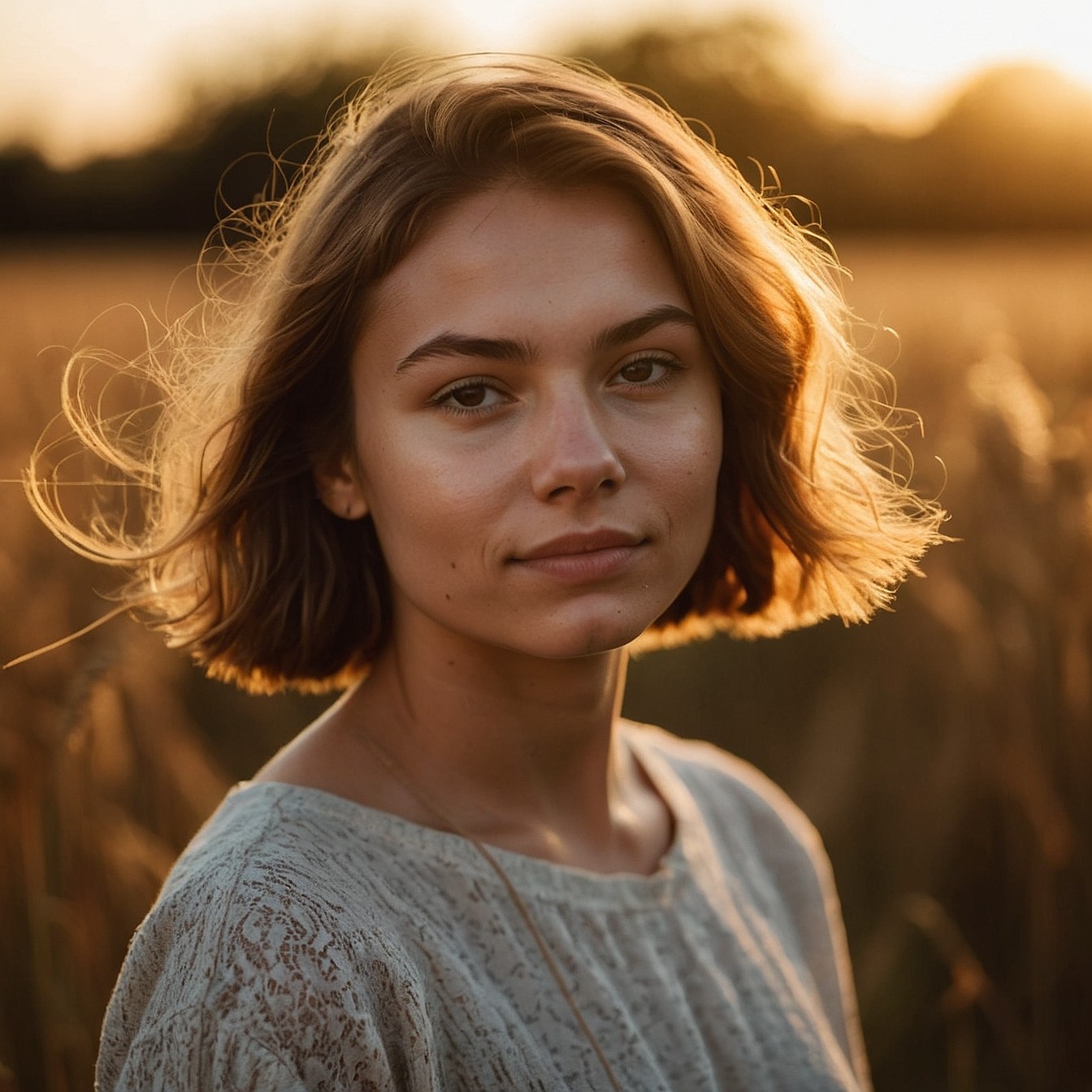

Golden hour has a reputation among photographers for a reason — it transforms ordinary scenes into extraordinary ones. That brief window just after sunrise or before sunset paints everything in soft, golden light that flatters skin tones, creates a dreamy atmosphere, and adds natural depth to any portrait.
Golden hour has a reputation among photographers for a reason — it transforms ordinary scenes into extraordinary ones. That brief window just after sunrise or before sunset paints everything in soft, golden light that flatters skin tones, creates a dreamy atmosphere, and adds natural depth to any portrait.

Why golden hour works so well
When the sun is low in the sky, the angle of light produces longer, softer shadows. This creates natural contrast and dimension without harsh edges. The warmth of the light enhances skin tones, making them appear healthier and more radiant.
Flattering tones – Golden light creates warm highlights and soft shadows.
Natural depth – Shadows lengthen and bring texture to the scene.
Less editing required – Harsh midday light often forces retouching; golden hour gives you a head start.
The Science Behind the Glow
As the sun moves closer to the horizon, its rays travel through more of the Earth’s atmosphere, scattering blue light and allowing warmer tones to dominate. This effect creates natural depth, giving portraits a three-dimensional quality that requires minimal post-production. For photographers like Alex Carter, it’s less about manipulating conditions and more about working with nature’s gift.
Comfort in natural light
Shooting at golden hour isn’t just about aesthetics. Many clients feel more relaxed in this setting. The low light feels less intimidating than a studio flash, and the environment itself — quiet fields, warm skies, or even a calm city street — encourages people to unwind.
Alex often schedules portrait sessions during this time because clients move more naturally, smile more freely, and connect with the moment. It’s not just about how the photo looks — it’s about how they feel while it’s being taken.